
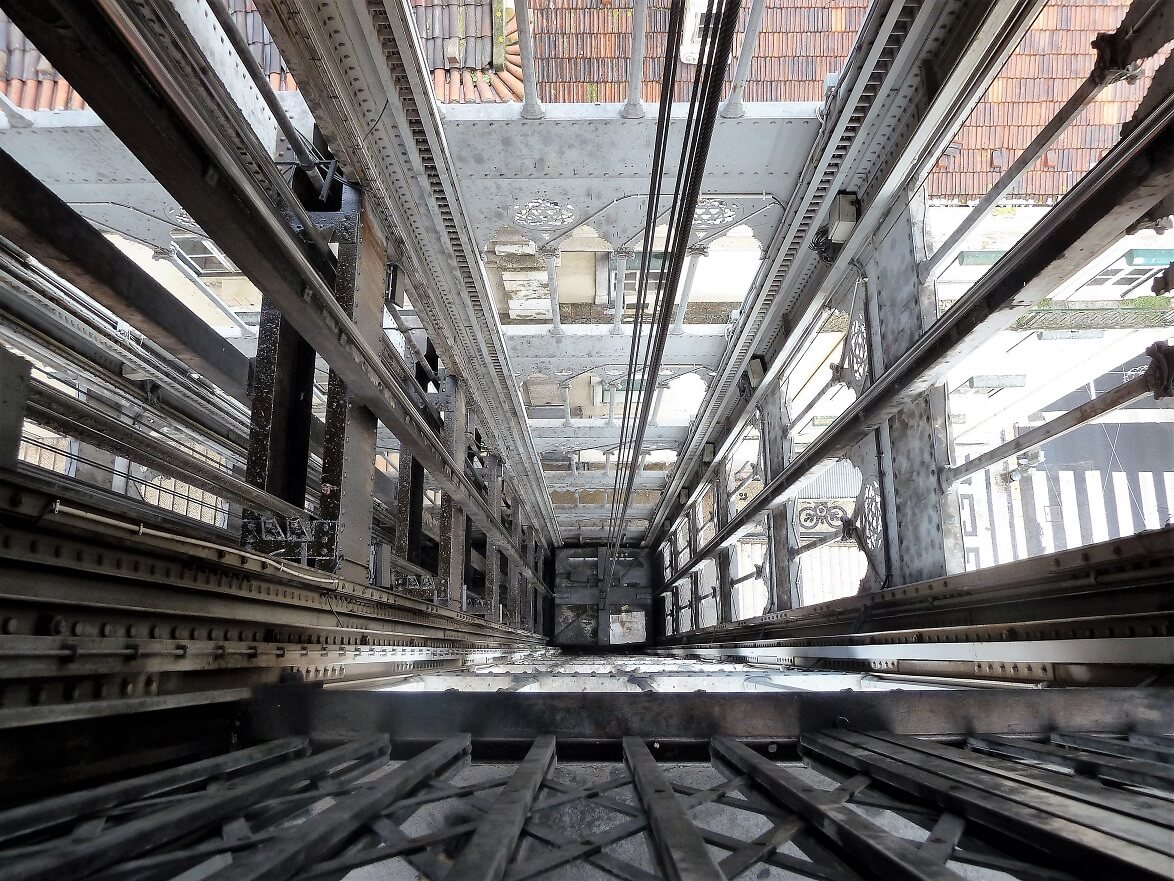
Open lift shafts are dangerous, especially considering the chance of falling
Safety is of paramount importance in all building sites. When working on new lift installations in new constructions, several safety concerns need to be addressed to ensure the well-being of workers and the overall safety of the project. The use of lift shaft safety gates is directly related to addressing safety concerns during lift installations in new constructions. Lift shaft safety gates serve as a protective barrier at the openings of lift shafts and play a crucial role in ensuring the safety of workers and preventing accidents.
Here are some key safety concerns involved in working on new lift installations:
1. Fall Hazards: Working at heights presents a significant risk. Proper fall protection measures must be implemented, including the use of guardrails, safety harnesses, and safety nets. Workers should receive training on fall prevention and be provided with appropriate personal protective equipment (PPE).
2. Structural Integrity: Construction sites undergo various stages, and the structural integrity of the building may not be fully established during the lift installation process. It is essential to follow structural engineering plans and ensure that the building components can support the weight and stress of the lift. Regular inspections and adherence to safety regulations are crucial.
3. Electrical Safety: Lift installations involve electrical systems that must be installed, tested, and maintained by qualified professionals. Proper grounding, wiring, and adherence to electrical codes and standards are essential to prevent electrical hazards, such as shocks and fires.
4. Equipment and Machinery: Lift installations require the use of heavy machinery, such as cranes, hoists, and lifting equipment. Proper training, maintenance, and inspection of machinery are critical to prevent accidents, equipment failures, and worker injuries.
5. Material Handling: The movement of heavy components, such as elevator cars, counterweights, and guide rails, poses risks during installation. Adequate planning, proper lifting techniques, and the use of appropriate lifting equipment can help minimize the potential for accidents and injuries.
6. Hazardous Substances: New constructions may involve the use of various hazardous substances, such as construction chemicals, solvents, or paints. Workers should receive proper training on handling and storage procedures, use of PPE, and the identification of hazardous materials to prevent exposure and health risks.
7. Communication and Signage: Clear communication channels and effective signage are essential on construction sites. Proper labeling, warning signs, and instructions should be in place to guide workers and visitors, indicating potential hazards and safety protocols.
8. Emergency Preparedness: Construction sites should have well-defined emergency plans, including evacuation procedures, first aid facilities, fire suppression systems, and communication methods. Workers should be trained on emergency protocols to ensure a swift and coordinated response in case of accidents or incidents.
It is crucial to consult with industry professionals, adhere to local safety regulations, and conduct regular safety inspections to address and mitigate the safety concerns associated with lift installations in new constructions.
